Prince in July 2010 made a marvelous speculation in his bike and podering room (above). He reviewed 3 years of his athlete’s (Parry’s) training and nutrition log to discover that Parry’s personal best times and breakthrough training sessions were made following lavish red wine evenings. Prince postulated in Popper-esque fashion whether fine claret could actually, no matter how ridiculous it could sound, be a better pre-race carbohydrate source than pasta? An experiment started and over the following 5 days, Parry under Coach Prince guidance trained 11 hours on a set measured training program with a set nutritional intake. He rested on the 6th day, but during the early evening of the 6th day drunk 1.5 bottles of Chateau Mouton Rothschild 2006 (not a vintage year). A binge yielding 1470 calories of energy. This was accompanied by no other carbohydrate source, but lavish amounts of uni and ikurasashimi seafood for protein and omega 3 fatty acids. On the next day, 7th day, Parry ran 10 x 800M at Oda field athletics track Tokyo in 31 C during early evening. His average 800M time was 2 mins and 43 secs.
Parry then undertook a 2nd week mimicking the previous 7 days in terms of training/nutrition but with one exception in nutrition. The change in nutrition concerned consuming a large portion of pasta, diligently measured to 1,470 kcals of energy on the 6th day and no Mouton Rothschild. This was a direct substitution of pasta for the claret wine. The average 800M time was 2 mins and 57 secs during the same time of day, temperature and wind conditions. A whopping 14 seconds or 11% slower with pasta than with red wine under controlled conditions.
Prince urges others to try fine wine sources of carbohydrate and to share performance and wine tasting notes with him. Coach Prince contends the anti-oxidants, tannins and mind visualization benefits allow for outstanding legal enhancing benefits. Similar tests done on mice yielded similar results in 2006 and published by New Scientist periodical. Anthropological research by Prince also concludes that the paleotheic man also enjoyed red wine and that under an influential sports nutritional school of thought known as the "Prince Cavemanism”, red wine indulgence is encouraged. Exact breakdowns of splits, Polar heart rate data, nutrition and set weekly training is available to leading researchers seeking to replicate or falsify this devastatingly brilliant hypothesis.
As a Coach I discovered that red wine is very important to distance runners in 5k events, but increasing in importance up to marathon. As a poodle from Sapporo I do not drink red wine, but do indulge in my local beer. Anyhow my opinions are backed by science as well as my own empirical observations as a coach:
“High doses of a compound found naturally in grape skins and red wine can improve muscle endurance in mice, and the compound also keeps them slim, a new study shows.
The effects of resveratrol are so pronounced that endurance athletes may one day take it as a performance enhancer, experts speculate.
Johan Auwerx at the Institute of Genetics and Molecular and Cell Biology in Illkirch, France, and colleagues placed mice on a high-fat diet. Half of those mice received daily amounts of up to 400 milligrams of resveratrol per kilogram of body weight. A person would have to drink about 100 glasses of wine in just one day to obtain a similar dose of resveratrol, Auwerx says.
After three weeks, the mice on the resveratrol supplements weighed only about 20% more than mice on a standard diet. But those on the high-fat diet that did not receive the supplement weighed 60% more than the control mice. The resveratrol also improved the rodents endurance in fitness tests, and seemed to have no toxic side effects.
Mice on the high-fat diet that also took resveratrol were able to run twice as far on a treadmill as those on the same diet but without the supplement, even after the animals' weight differences were taken into account.”
Coach Prince’s tips from working with my Master are:
· If using red wine for performance, drink the same heavy quantity every night, otherwise one risks the downside benefits of binge drinking.
· How much should the athlete drink. This depends on the weight, genetics, experience with alcohol. I have trailed my athlete between a half bottle and two bottles a day. His personal bests have been achieved on one bottle a day, including on day before race.
· If upping your uptake of red wine, always adhere to the 10% rule which is capping your increase by only 10% in any one week.
· The downside in this is that if one is training in the morning, or morning and evening as many elite athletes do, extreme care has to be taken. It takes 12 hours and extra sleep to recover from the red wine tonic. It requires runs to be performed at lunch and in the evenings if as assumed, one drinks in the evening.
My name is Prince. I am a Tri coach, a poodle dog, a living demigod and very handsome. This site gives tips on running, swimming and biking as well as news and true race reports for my coached athletes. 90% of this site is true and serious, but sometimes my dog narcissistic imagination runs a little amok. I am world famous for being the first coach to advocate red wine as a legal performance enhancing drug.

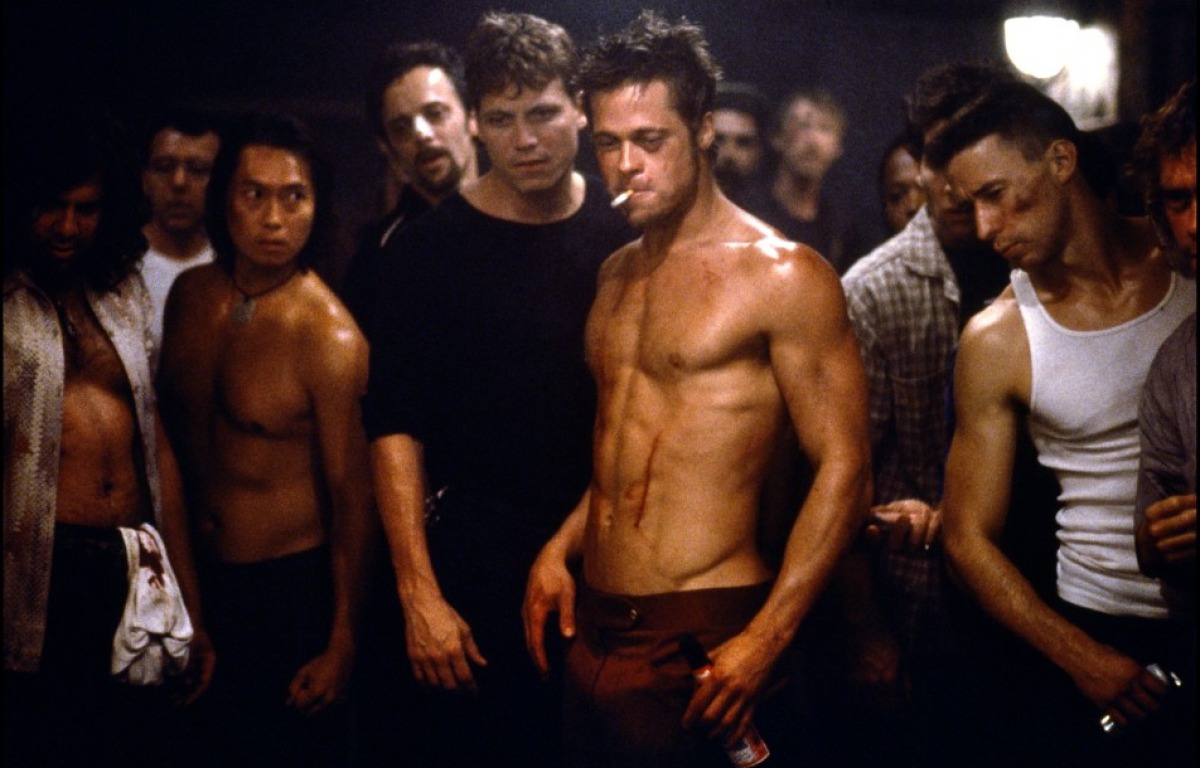 's Fight Club featuring Prince vs. friends: Basil-san (AKA* The Fox) and Evil Bastard Snowman-san. Here is complimentary video of Prince v Pig with flick knife. Fight Club is an outstanding fun and a bonding experience, with useful trauma that builds mental and physical toughness for triathlon and life... The Brad Pitt film of same name Fight Club, is likely to have been insp
 ired by Prince Fight Club©.


